
DOM In the News
Read about how the Department of Medicine is responding to the outbreak of the coronavirus respiratory illness COVID-19. See related COVID-19 publications.
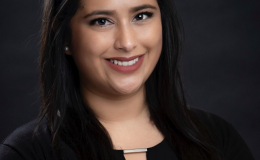
Welcome Emily Reyes!
Emily Reyes has joined our team as our new Clinical Research Coordinator for Dr. Meredith Greene. Emily earned her MPH from California State University, Fullerton with a concentration on Health Promotion & Disease Prevention. She earned her Bachelor of Science degree from Oregon State University. Before coming to UCSF, Emily worked at Margolin & Lawrence Law as a Policy Analyst Law Clerk where she prepared and maintained local and state licensing contracts, as well as provided logistical and operational support to the law office. Prior to that, Emily worked at Latino Health Access and the CSUF Health Promotion Research Institute concurrently, serving the roles of Diabetes Self-Management Intern and Mental Health Careers Opportunity Program Coordinator. In these two positions, Emily worked directly with over 100 agency clients and community health workers to promote chronic disease management among the Latinx community and spearheaded a needs assessment for the development of a mental health career pipeline program to increase Latinx workforce diversity in Orange County. Emily was also a Graduate Assistant for the CSUF Health Careers Opportunity Program where she served as a community liaison to raise workforce diversity awareness and increase the pipeline of underrepresented, first-generation students into higher education and careers in allied health professions. While in school, Emily worked as a Research Assistant for the Oregon Research Institute for two separate studies: for the Pro-Girls study, Emily assisted in developing, assessing and implementing family centered prevention programs aimed at decreasing adolescents’ involvement in risk -taking behaviors, for the Youth Access Program, Emily was involved in preventing chronic disease and reduced underage drinking in rural communities through community-based strategies and interventions at high schools. These rewarding roles also allowed her to hone her program coordination as well as data collection, management and analysis skills. Last but not least, Emily was also a Teaching Assistant for the Spanish Ministry of Education, Culture and Sport and is fluent in Spanish, a very important skill, especially for her new role! She will work closely with Dr. Greene and her team on several studies related to clinical research and health care quality, especially on the newly-awarded K76 Beeson 5-year award on Tailored Geriatric Assessment and Management for HIV Care Settings. Emily will be stationed at Laurel Heights, Suite 380 (right outside Carla & Josette’s office, next to Thomas). Her email address is [email protected] if you need to reach her. If you happen to swing by, please come introduce yourself!
Resident Interview: Lurit Bepo, MD, MPH
A Conversation with Lurit Bepo, R3 Resident in the Department of Medicine
What is the meaning of your name? I believe there are many languages in Sudan; which do you speak?
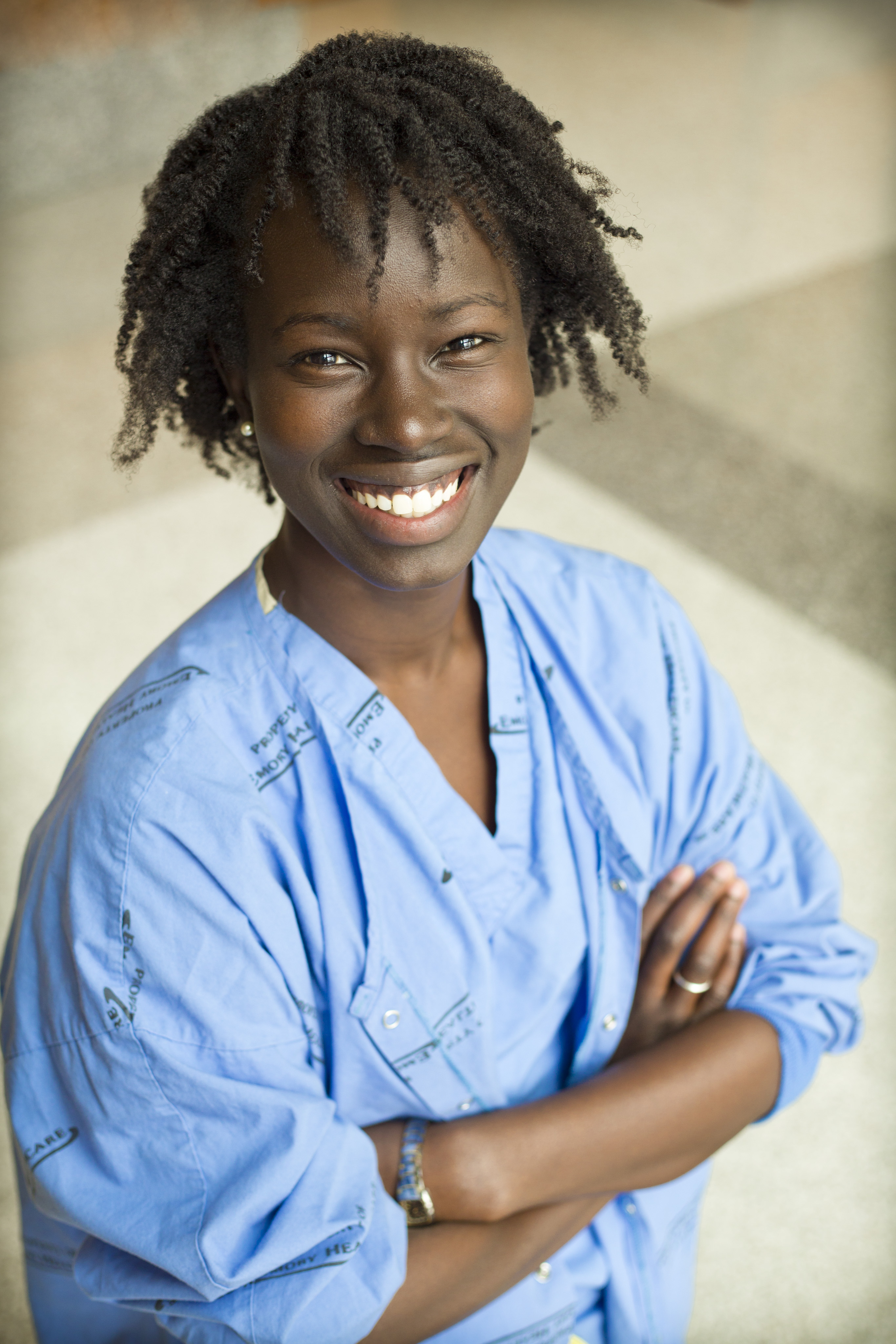
Lurit, which is pronounced, “Loo-reet,” is a name from my family’s Bari ethnic group that is traditionally given to the first born female into the family. There are numerous ethnic groups in South Sudan with as many languages, but the vast majority speak English or Arabic. My family and I speak a local dialect of Arabic called Arabi Jubah, or the “Arabic of Juba.”
Tell me about where you were born and your last memory of Sudan.
I was born in Khartoum, the capital of Sudan, and immigrated to the United States in 1996 when I was six years old. One of my last memories was being with my cousins, with whom we’d been living, and saying our goodbyes. I had a dress that I loved, but my mom didn’t let me take it with us to the U.S. for some reason so I remember being very upset about that.
Tell me about your family and describe how they have guided you through life.
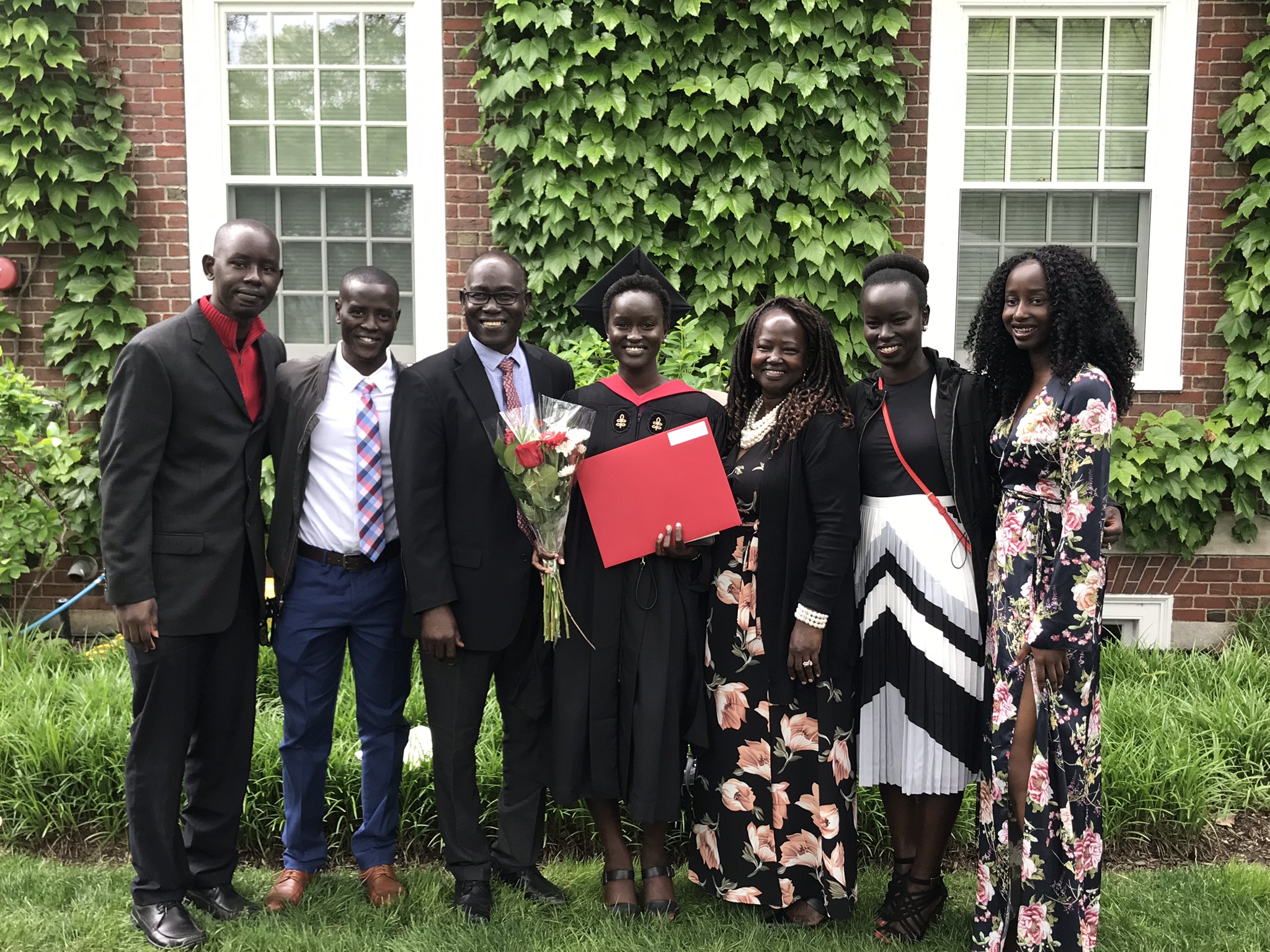
I am the middle child with two older brothers and two younger sisters, but my siblings will tell you I act like I’m the oldest. My dad moved to the U.S. first in 1993 to start his Masters in Electrical Engineering in Boulder, Colorado. He finished his degree at the University of Texas in Arlington, where the rest of my family and I later joined him. My parents were very protective and very strict with the five of us growing up, but we were very good kids, did well in school, and didn’t cause any trouble except for occasional fighting with each other. My parents both stressed that the most important thing to advance as American citizens was to pursue higher education. My sisters and I all ended up in the Bay Area, though my parents and brothers still live in Texas.
You were six years old when you came to the U.S. What was it like for you to adjust? What was the strangest thing you encountered?
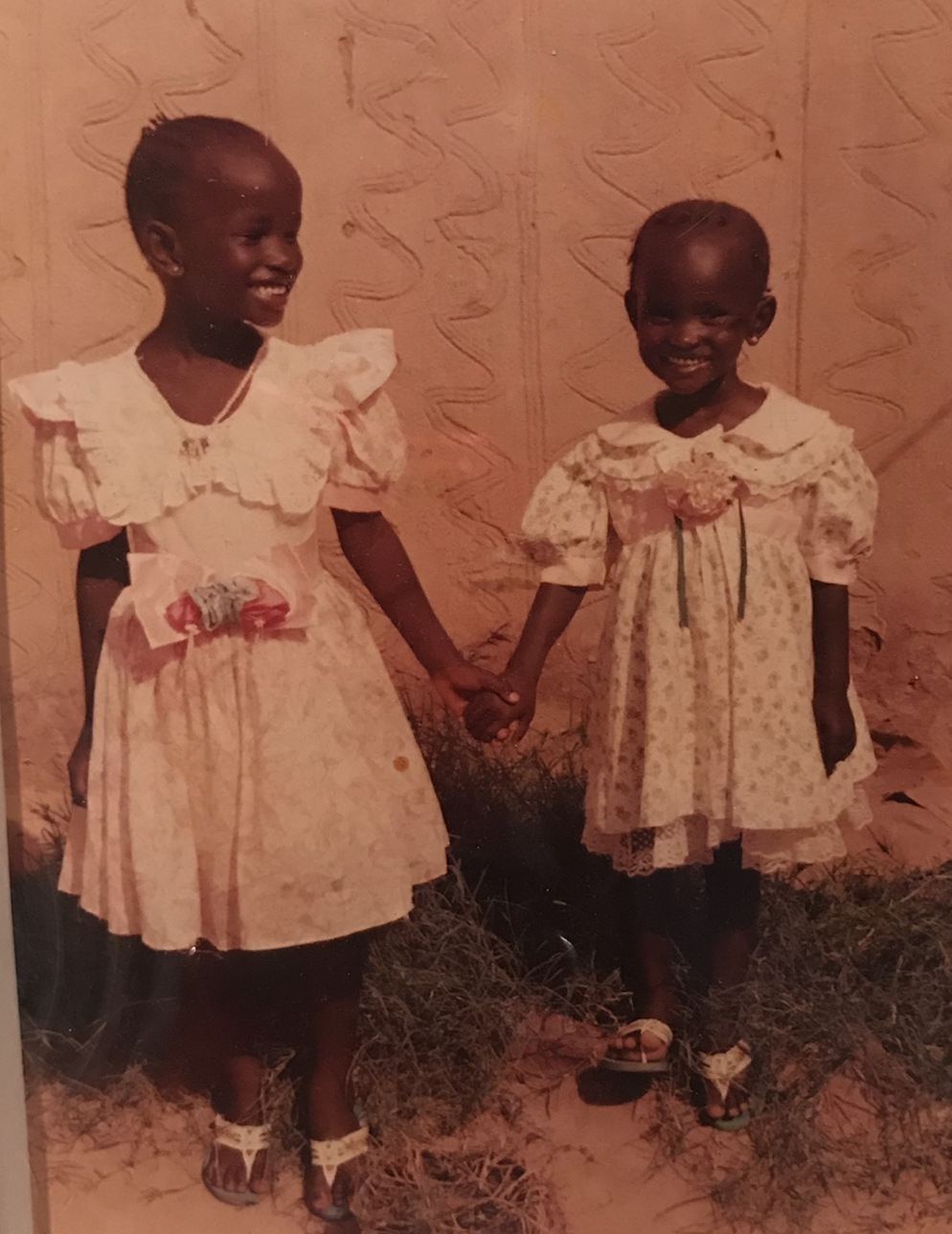
We didn’t know how to speak English but, at such a young age, we learned quickly. It was a new country, a new place and, at that time, there weren’t many other Sudanese people in our area; the closest family we had lived in Dallas or Austin. Because of my parents’ emphasis on education, we spent a lot of time reading and became familiar faces at our local public library every summer, always checking out the maximum number of books every few weeks. The strangest thing we had to adjust to initially was probably American food – the soda tastes very different here than in Sudan!
Share how you came to find your way at Emory and your path to Internal Medicine. Do you see yourself moving into the realm of Health Policy?
I went to Washington University in St. Louis (WashU) for undergrad and studied biology and anthropology. I was initially in International Studies but, because I was pre-med, I quickly realized that couldn’t meet the study abroad requirements. I changed to Anthropology, which ended up working perfectly for me because of its public health focus. When I applied for medical school, I looked for joint MD/MPH programs, and Emory was best suited for my goals. It was mission-driven, serving a county hospital population similar in many ways to ZSFG, and I knew it would push me in the right direction. I did my surgery rotation before I did my medicine rotation and ended up loving it; I loved being in the OR, loved the precision and controlled environment, and seriously considered doing Surgery.
However, when I did my Medicine sub-internship as a fourth year, I got to take full ownership of my patients, make management decisions, and it really pushed my own growth and learning. I realized that I enjoy talking through differentials and different approaches to a problem and that medicine would offer both independence of thought as well as opportunities to invest in my communities and other environments outside of the clinical setting. Ultimately, seeing my role models – many of whom were women of color, skillfully balancing their professional, personal, and clinical lives – helped me understand my own priorities and settle on internal medicine. Having been in the ZSFG Primary Care Program for the past two years, my ideal goal is to move into the health policy world. I’ve had the opportunity to see the work of people like Margot Kushel and Hilary Seligman, who perfectly occupy this middle ground between the research and policy realms. I would love to be in a similar space to help drive policy in an evidence-based and well-informed way, although I do not yet know what job that might be. I am interested in helping to close the gaps in policies impacting health disparities. That’s one amazing thing that I have loved about UCSF: it has provided me with opportunities to learn about “physician plus” careers. Physicians have such power and privilege and, to be able to make the world a better place, to be part of a place where people make inroads in so many areas based on their interests; has been incredible to witness and put into practice.
What would you like for us to know about Sudan?
Sudan and South Sudan have a complicated history that goes back decades. Prior to Sudan’s independence from the British in the 1960s, the south was a semi-autonomous region, while the north had close ties with Egypt. There were broad differences between the two regions based on ethnicity and religion, which were brought into tense focus when the British left and the predominantly Arab Muslim north came to hold significant political power over the predominantly African Christian south. These tensions erupted into several civil wars, including the one that prompted my family’s immigration to the U.S. Today, South Sudan, which became an independent nation by majority referendum in 2011, has been embroiled in its own civil war since 2013 though there is currently a tenuous peace; Sudan has similarly seen months of civil unrest, which culminated in the deposition of its 30-year dictator in April. While most of my extended family has left both countries and is scattered around the world, there are a few who remain, including my cousin’s husband who is finishing up a surgical fellowship in Khartoum; he recently described the situation by saying “Khartoum is on fire,” that there is uproar and unrest, but that it is for the greater good. While I do not think that we would ever go back to the two countries being unified, there is hope that there will soon be peace, justice, and a fair and balanced government in both countries — that is my biggest hope for my homeland.
What is the most childish habit or silliest thing you do just because?
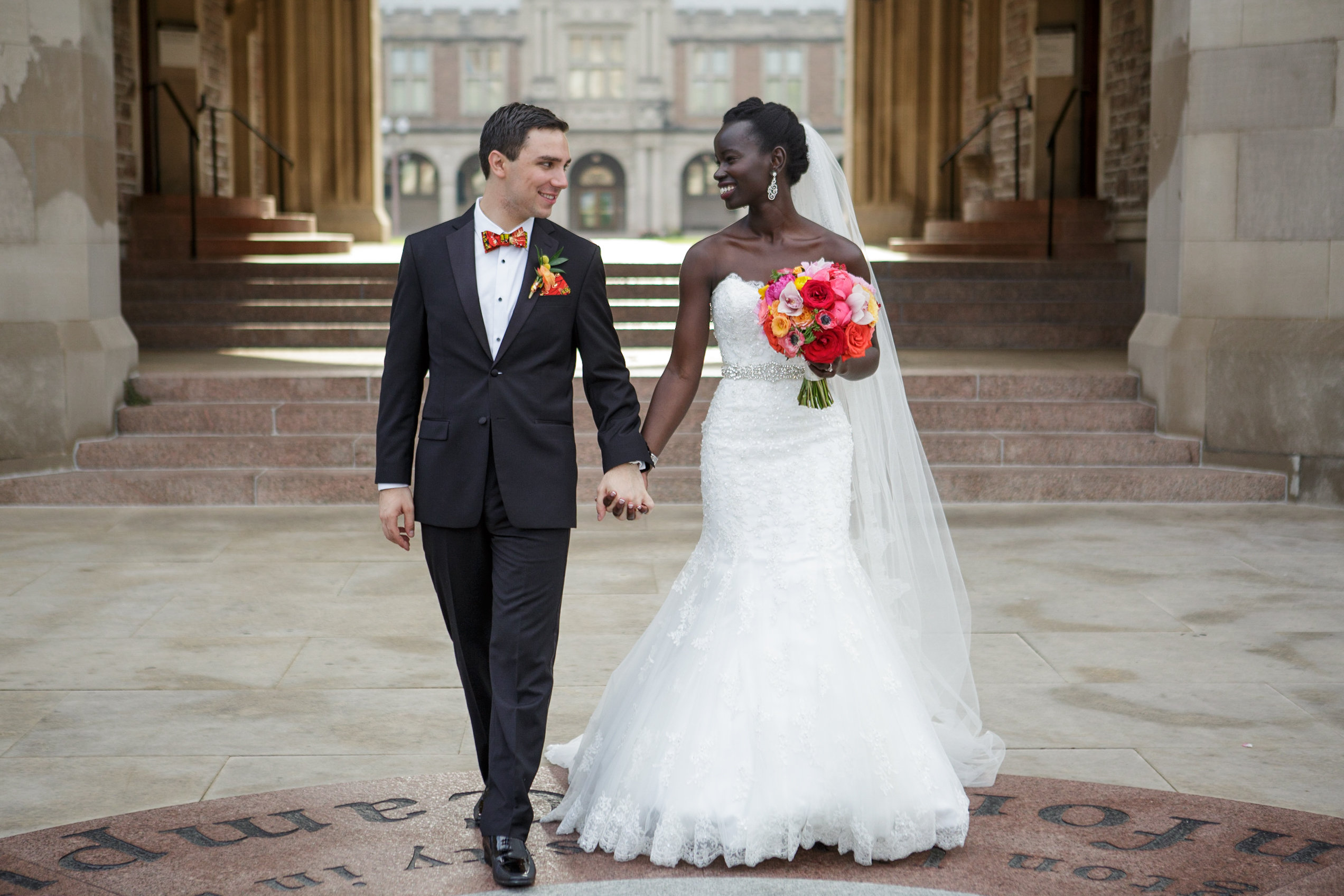
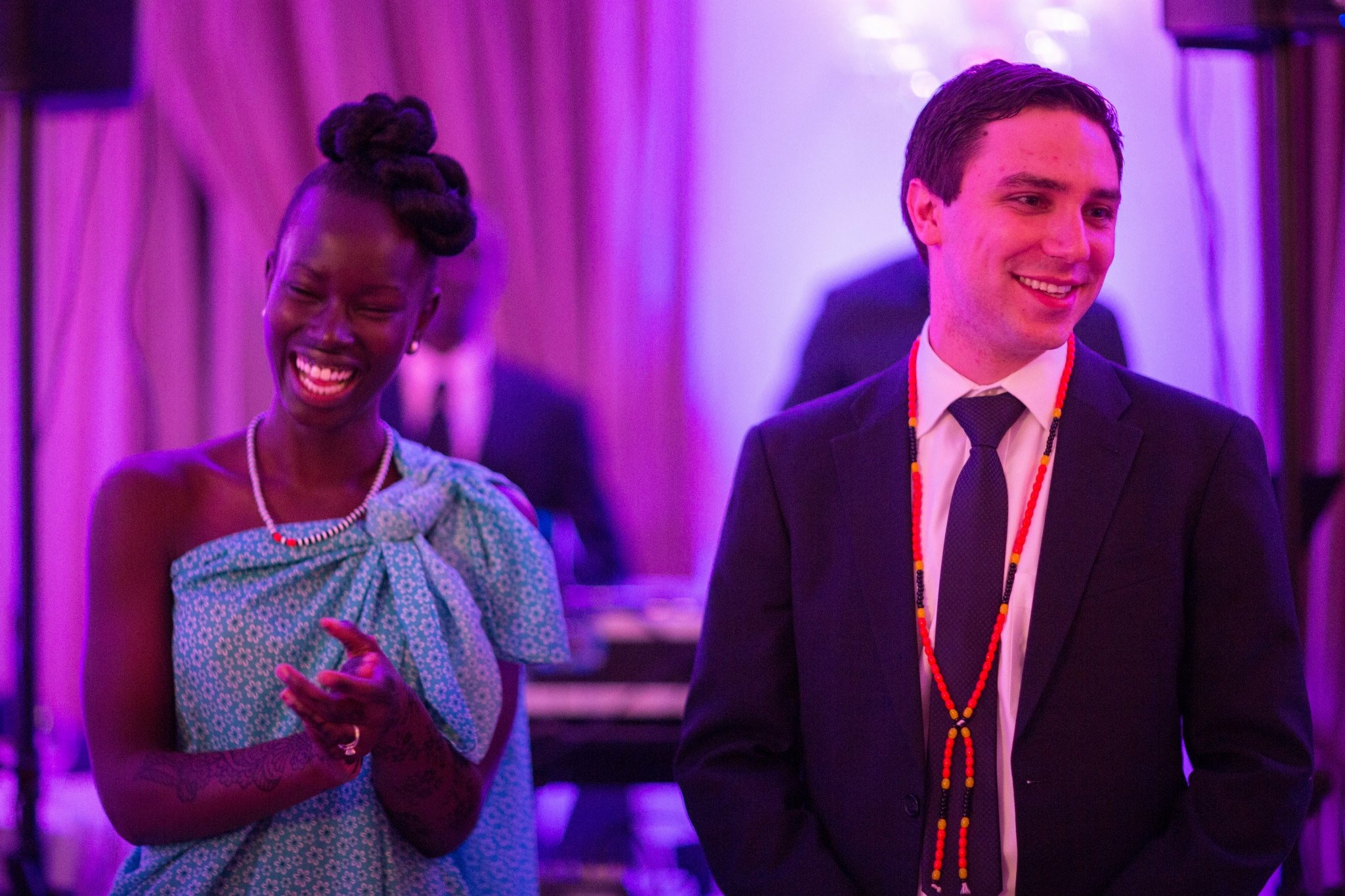
I poke my husband all the time. He is very ticklish and I take advantage of that. He is also easily spooked so sometimes I will hide and try to scare him when he comes home from work.
What talent or skill would you like to have more time to develop?
I used to play clarinet in junior high so, for Christmas a few years ago, my husband gave me one. I tried to get back into it for a few months, but I’ve forgotten how to breathe and how to properly form my embouchure so that my lips don’t hurt. I played once or twice before realizing that I don’t have enough time to practice anymore.
What might you entitle your autobiography? What might its current chapter be called?
I recently finished listening to Becoming by Michelle Obama and Dreams From My Father by Barack Obama. They both made me reflect very strongly on how our backgrounds form our identities and drive our aspirations and passions. I have also been very disheartened by the recent wave of anti-immigrant rhetoric, so I think I would title my autobiography “Becoming American,” and it would explore how my immigrant experience has directly shaped my desires to do policy work to make America the just, fair, and peaceful place my home country was not. The current chapter would be called “30,000 Foot View” in honor of my husband and my upcoming trip to climb Mount Kilimanjaro (which is 19,000 feet), being in my third and final year of residency, and turning thirty in August – it represents a transition point in my life and an opportunity to reflect on where I’ve been, and where I’m going.
Shukran, Lurit.