
Resilience in Action at ZSFG DOM
As we head into fall, many of us at Zuckerberg San Francisco General (ZSFG) are feeling the weight of a challenging year. The turbulence we see globally and locally can feel overwhelming, yet it also reminds us of the importance of our shared purpose and resilience. I’d like to take a moment to reflect on where we are and what’s ahead for our department.
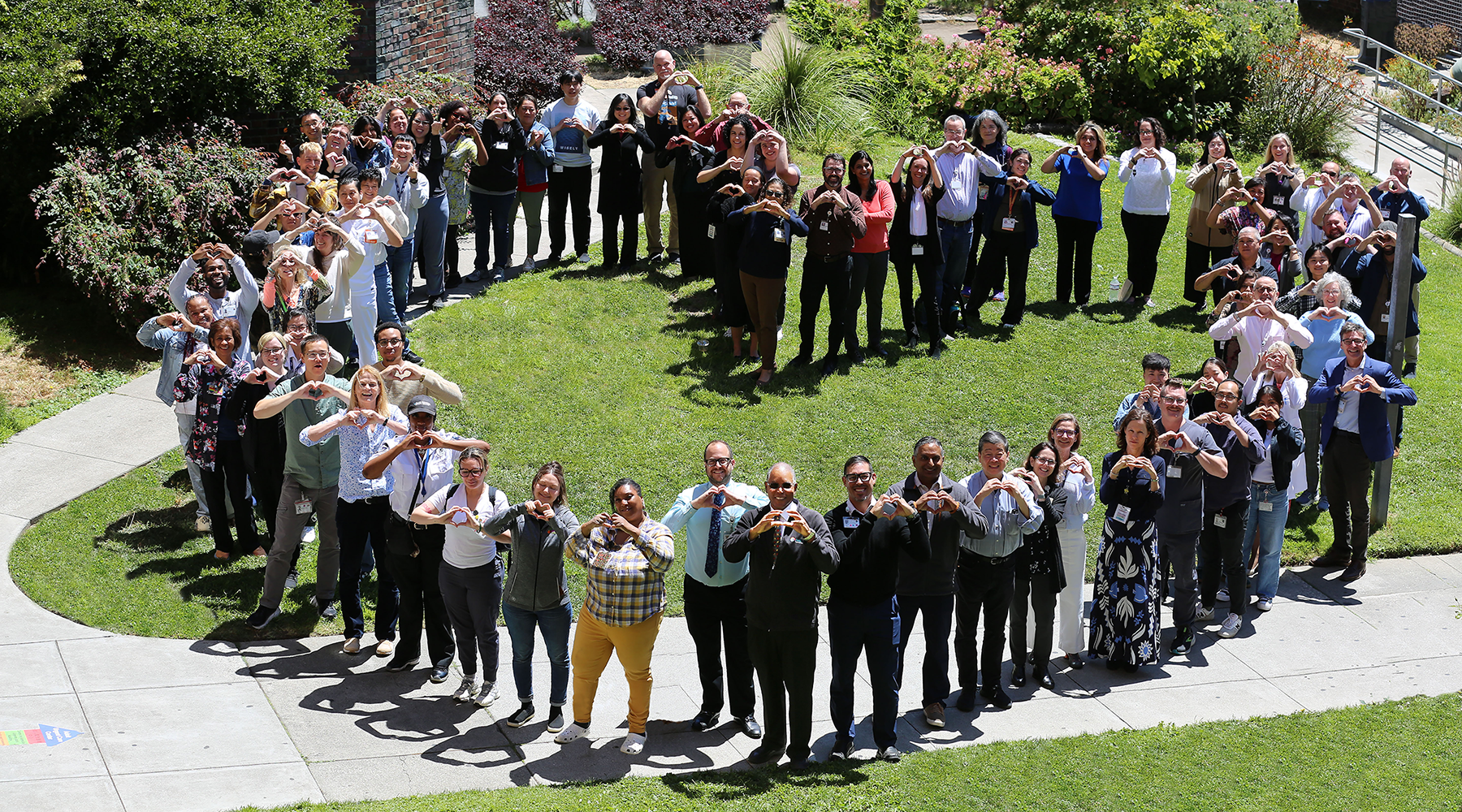
The Department of Medicine (DOM) at ZSFG entered 2025 from a position of strength, built on years of hard work by faculty and staff who believe deeply in our mission. That mission—to advance health for underserved populations through innovation in patient-centered care, scientific discovery, medical education, and public policy—continues to guide everything we do. Our engines are fueled by passion, dedication, and an unwavering commitment to service. PRIDE Hall, which finally brought UCSF faculty together under one roof, is alive with conversations that spark camaraderie and collaboration. My team and I have worked hard to strengthen faculty compensation and support while carefully stewarding our limited resources.
Our inpatient and outpatient services have continued to innovate to meet growing demand—patient volumes have increased 25% and 50%, respectively, since before the pandemic. Through creative approaches such as cohorting patients who need lower levels of care and expanding virtual co-management for eConsults, we’ve helped ease the strain of higher volumes despite limited resources. While more support is needed, we successfully advocated for surge funding to prepare for the expected rise in respiratory illnesses this winter and preserved essential faculty hires even amid financial uncertainty.
We’ve also strengthened clinic operations by developing standard workflows for staff roles, improving flexibility among Department of Public Health (DPH) staff, and engaging inpatient nurses to assist with specialty care work queues. Collaboration with the San Francisco Health Network has enhanced our partnership in team-based care at the Richard Fine People’s Clinic (RFPC). We streamlined EPIC note templates, offered trainer customizations, held inbox management sessions for residents, and piloted MyChart self-scheduling to simplify specialty clinic workflows.
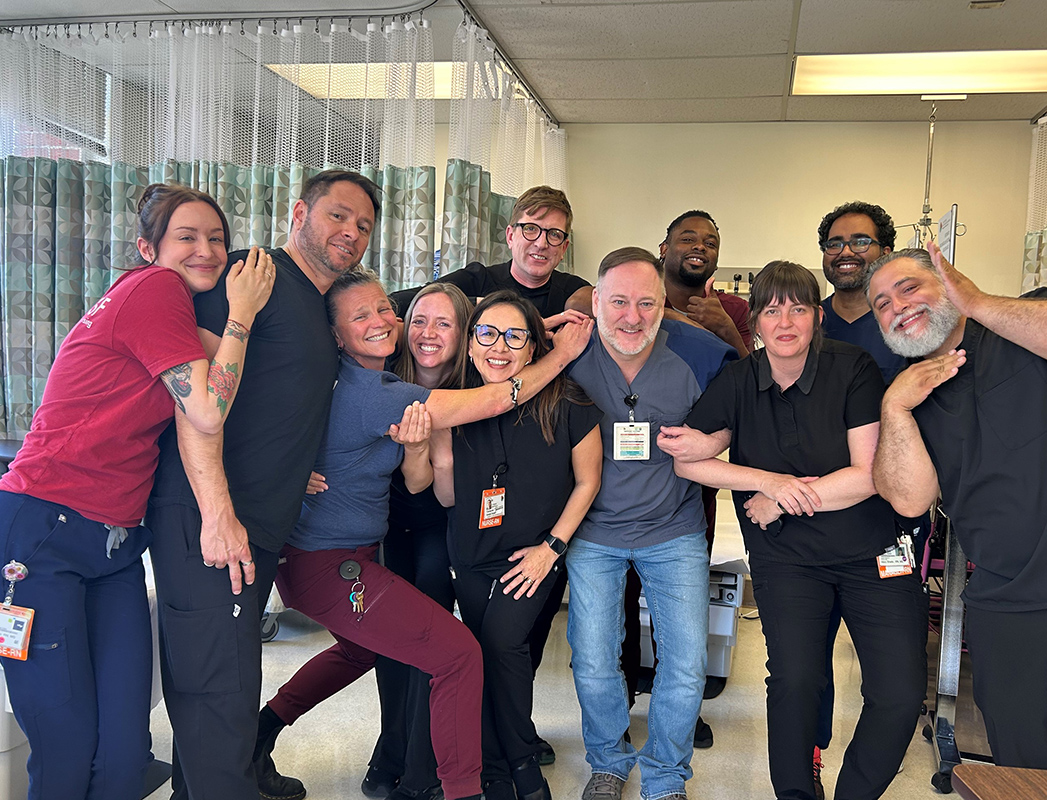 At Ward 86, our primary care clinic for people with HIV, teams have pioneered the use of innovative long-acting therapies while integrating services for infection care and support for prevention and recovery. And finally, the return of in-person ZSFG/VA Medicine Grand Rounds on Tuesdays at noon has been met with excellent attendance and enthusiasm—reminding us how meaningful real connection and shared learning can be.
Our faculty continue to play vital roles in education across the Department of Medicine, the School of Medicine, and the broader UCSF community. They are leading residency programs, guiding clerkships, serving as Bridges coaches, shaping curriculum, and contributing to mentor training. Their enthusiasm for teaching and mentorship is unmistakable, and we are deeply grateful for their commitment to developing the next generation of compassionate clinicians and thoughtful leaders.
Did you know that our faculty generate 63% of all research on the ZSFG campus and account for 36% of the federal research funding in the Department of Medicine, despite representing only about 21% of the faculty, both across ZSFG and department-wide? As our associate chief of research, Peter Hunt, often says, “We truly punch above our weight.”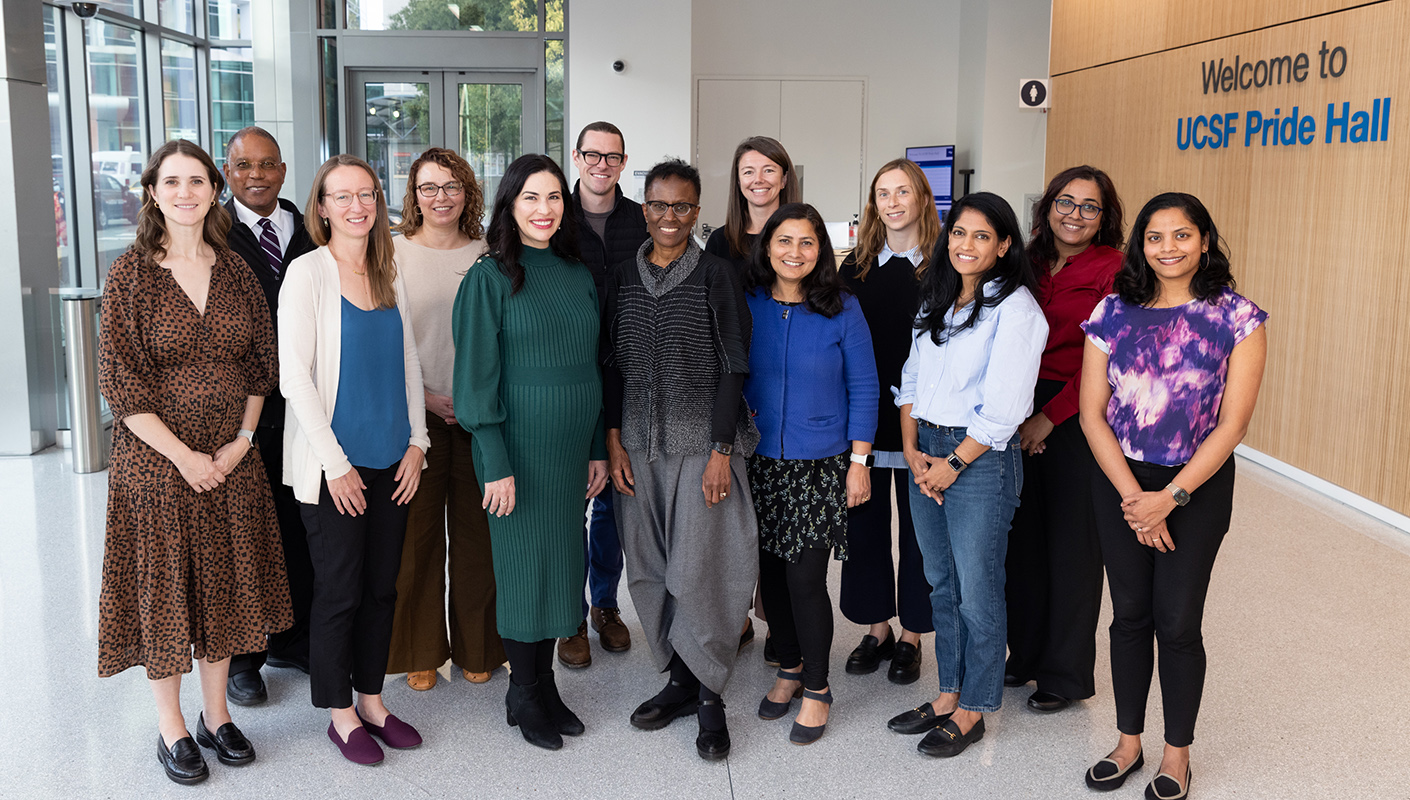
From bench to bedside to practice to policy, much of our work aims to uncover the roots of health differences among populations and illuminate the drivers of disease that affect patients like ours. Our research spans the conditions that challenge health and access to care, care for vulnerable populations, advancing inclusion and representation in science, environmental health and resilience, immunization and prevention efforts, and international health partnerships. This strength was not built overnight; it is the result of decades of dedication and collaboration that made impactful discoveries for long COVID, HIV, tuberculosis, homelessness, food insecurity, liver injury, climate change, nicotine exposure, and other conditions possible.
Yet these accomplishments face growing challenges. Research has been disrupted by postponed grant reviews, delayed awards, and project terminations. Evolving requirements for contracts, funding mechanisms, and budget allocations have created uncertainty and strain. These pressures test the trust and partnerships we’ve built over many years, both locally and globally.
With fortitude, we have navigated local staff layoffs and changing rules for international collaboration. With different frameworks and changing priorities for science, we’ve adapted to new grant conditions and evolving reporting requirements while staying true to our mission. Our teams have responded within hours to program officer requests to preserve funding and keep critical research moving forward.
Through creativity and persistence, our researchers continue to think beyond boundaries—writing more grants, advocating for science, showing solidarity, and joining broader efforts to safeguard research continuity. Our shared mission and values give us the strength to persevere. We remain optimistic that UCSF’s national leadership—through engagement with partners, policymakers, and research agencies—is helping protect the essential work that improves the health and lives of our patients.
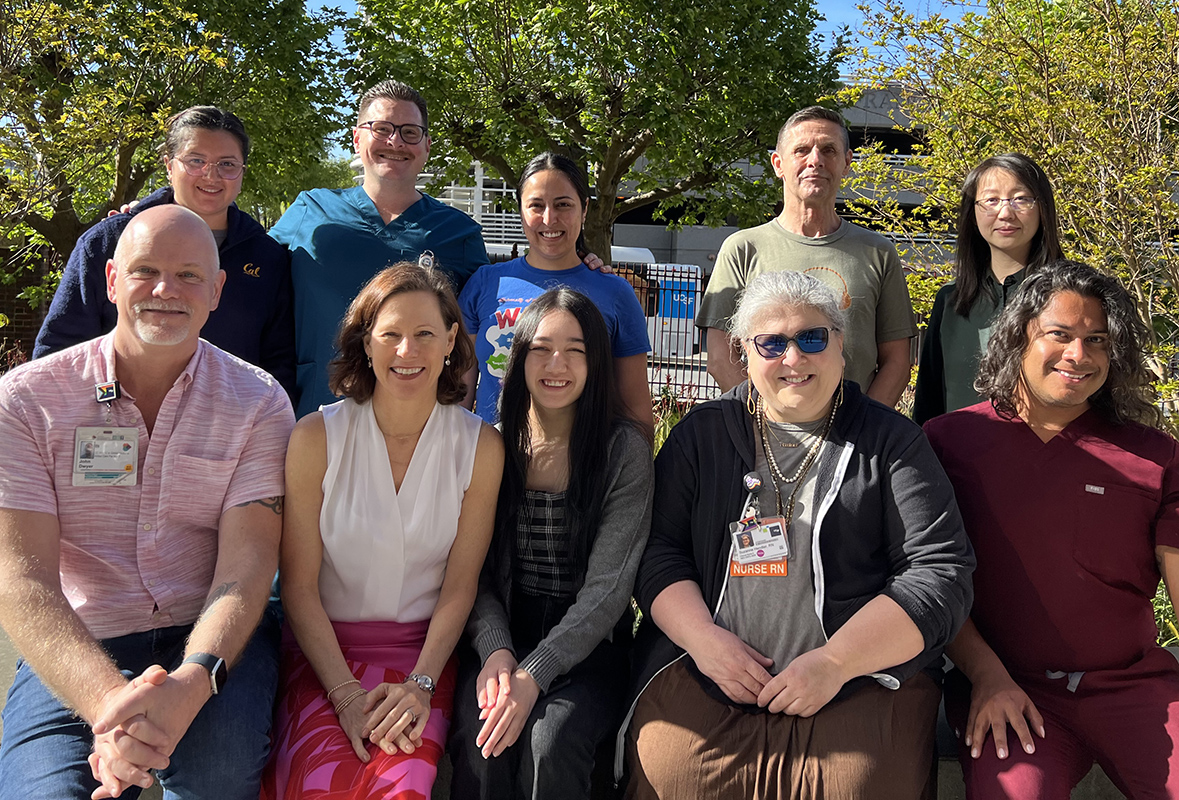 In collaboration with our ZSFG DOM director for quality improvement and patient safety and investigator, Elaine Khoong, MD, along with the Department of Epidemiology and Biostatistics, the Clinical and Translational Science Institute (CTSI) this year launched a de-identified ZSFG electronic medical record (EMR) database that includes data from more than 1.2 million patients. This resource positions our researchers to better leverage EMR data for population-based improvement and discovery. To foster collaboration and share best practices, we’ve also launched new affinity groups—focused on PhD researchers, EMR research, and advancing fairness in health outcomes.
We continue to prioritize the well-being of our faculty and staff. In May and September, we celebrated their accomplishments through award and appreciation ceremonies with an ice cream social attended by over 150 employees, which recognized outstanding contributions across our department and forged a stronger bond across our various units. In June and October, we successfully moved our central administration team and the divisions of Cardiology and Hospital Medicine from Building 5 to Wards 12 and 13 in the red brick buildings while preparing our former space as an expanded and modern primary care center. Our eventual permanent home in Building 3 is made possible by the passage of last November’s $390 million Healthy, Safe and Vibrant San Francisco Obligation Bond, which included funding for infrastructure improvements at ZSFG.
Led by Larissa Thomas, our director of faculty experience, we’ve also launched work–life integration groups focused on family building and fertility; returning from leave and parenting; supporting school-aged children and teens; financial planning and home buying; and caregiving for older adults. These groups create supportive spaces where colleagues can share experiences, exchange advice, and learn from one another about options, resources, and insights gained along their personal and professional journeys.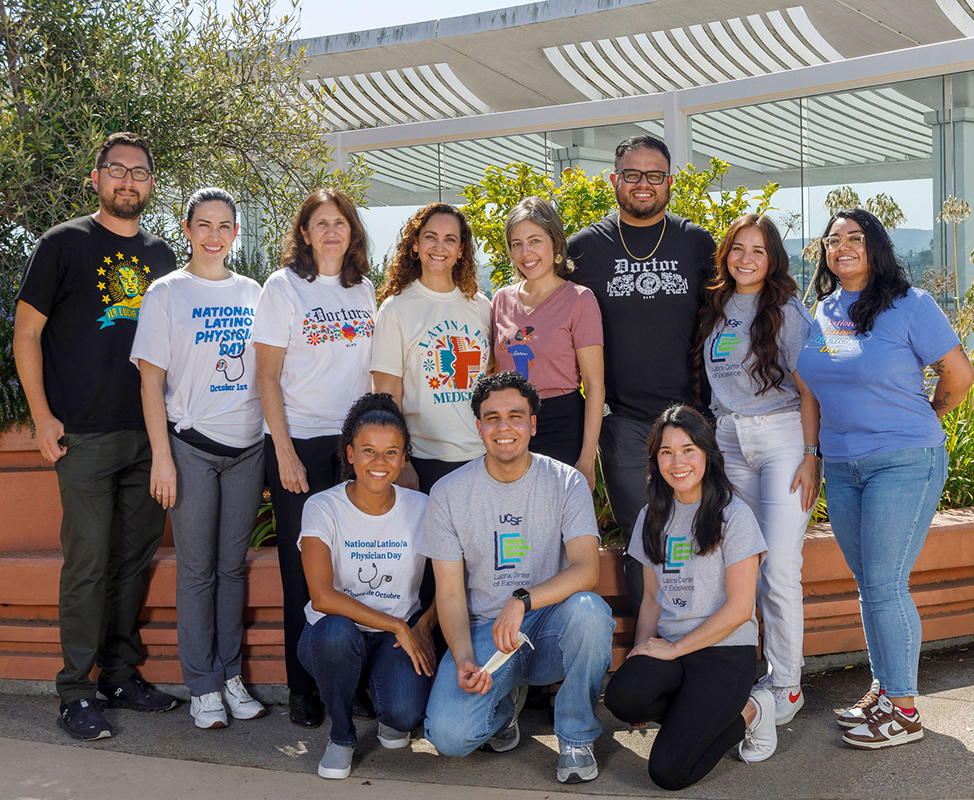
Through informal tea-and-cookie gatherings and visits to division faculty meetings, I’ve had the privilege of hearing directly from our faculty about both their successes and their challenges. Clinicians have expressed concern about how upcoming changes in federal and state healthcare financing policy may affect care for their patients with chronic illness. The Latinx Center of Excellence has been instrumental in creating forums to share information and ideas for supporting these patients.
Our early-career and senior researchers alike have voiced worries about sustaining the time they need for the science they’ve devoted years to mastering. Yet, again and again, I’m inspired by their dedication, fortitude, and sense of community. Their resilience motivates me to clear the path for their continued success.
Even amid uncertainty, together we can shape a better future for the Department of Medicine by leaning into our shared mission and values. Times of chaos can also spark opportunity, creativity, and strength. As we look ahead, I choose hope—and I hope you do, too.
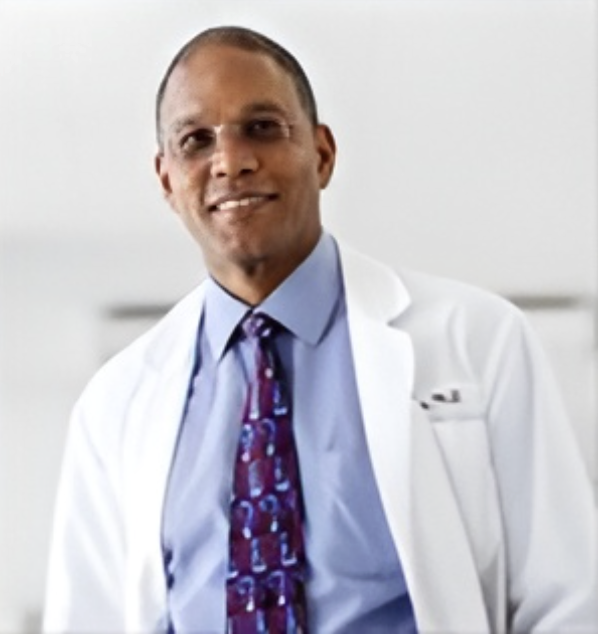 Neil Powe, MD, MBA, MPH
Chief of Medicine, Priscilla Chan and Mark Zuckerberg San Francisco General Hospital
Constance B. Wofsy Distinguished Professor and
Vice-Chair of Medicine, University of California San Francisco