
The Power of Coaching
Building a Culture of Reflection, Growth, and Support Across the DOM
Across the Department of Medicine, coaching is increasingly becoming part of how we support one another – faculty, staff, and trainees alike – through career decisions, leadership transitions, and everyday moments of reflection.
 As faculty in academic medicine, we spend much of our time helping others grow. We teach trainees. We support colleagues. We partner with and develop our staff. We help teams navigate change. And yet many of us quietly carry the same question at different points in our careers: Who could help me be better – and more intentional – about these crucial roles?
Coaching is one answer to that question. But coaching is not simply a series of meetings with a qualified coach. It is also a mindset – a mindset of continuous improvement and growth. Increasingly, it is a core part of our strategy to support one another, and to be the best possible department.
Why Coaching Matters Across Roles in Academic Medicine
Academic medicine moves quickly. Faculty, staff, and trainees all juggle complex responsibilities – clinical care, research, education, operations, administration, leadership, along with responsibilities outside of work. In that frenetic environment, it can be difficult to find structured time and space to reflect on big-picture questions, like what matters most professionally.
Many people across the DOM describe moments when they are navigating uncertainty around the promotion process, stepping into or applying for a new leadership role, or simply what the next phase of their career should look like. These are not unusual or problematic questions – in fact, they are part of a healthy professional life. What is uncommon is having a confidential, thoughtful space in which to explore them.
Coaching helps create that space. Rather than providing answers, coaching helps people clarify their own priorities, reconnect with their goals, and identify paths forward that feel authentic and sustainable.
The Evidence Behind Coaching
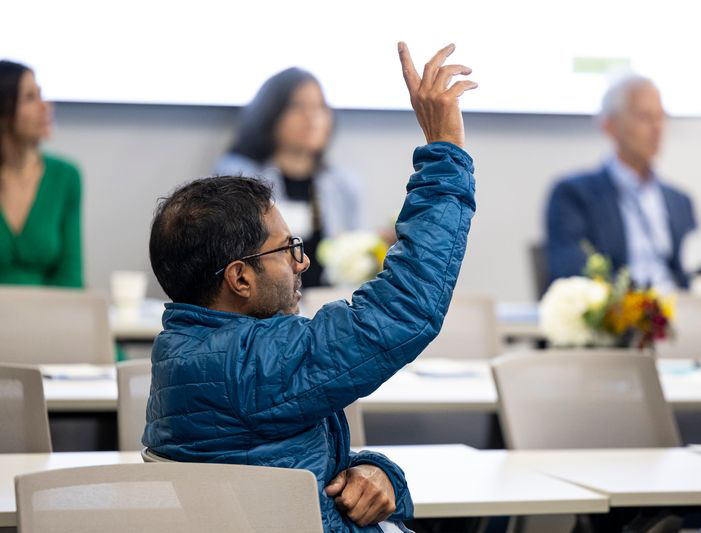 Professional coaching is different from the familiar sports-coach analogy, and it also differs from a traditional mentorship relationship. “What’s unique about coaching is that it allows you to dig deep to figure out what your own priorities are,” notes Rebecca Berman, MD, one of our American College of Physicians-trained Physician Peer Coaches and UCSF Internal Medicine Residency Program Director. “At any stage of your career, it’s helpful to remind yourself of your own True North so you can carve out a career that is most satisfying to you.”
Substantial research has shown that peer coaching reduces burnout, improves professional fulfillment, boosts engagement, and promotes retention. Multiple randomized controlled trials, including several right here at UCSF, support this. UCSF has long been an innovative leader in using coaching at the medical student and subspecialty fellowship level. As Dan Wheeler, MD, another of our UCSF DOM Peer Physician Coaches, notes, “As both a coach and someone who has benefited from coaching, I've seen how valuable it is to have structured time and space to reflect on what matters most. In the busyness of academic medicine, coaching is a powerful way to find that clarity.”
Coaching and Mentorship: Complementary, Not Interchangeable
Mentorship has long been a cornerstone of academic medicine. Mentors share experience, offer advice, open doors, and help colleagues navigate institutional pathways. Strong mentorship relationships remain essential for both faculty and staff development, and new initiatives like the UCSF DOM Mentorship Incubator Program for new faculty and the UCSF Staff Career Mentorship Program are providing more structured approaches to mentorship in the DOM.
Coaching complements mentorship. Rather than offering direction, coaches focus on listening deeply and asking thoughtful questions that help colleagues clarify their own goals and generate their own options. By providing access to both mentorship and coaching, we believe that our people will benefit from experienced guidance and structured opportunities for reflection. Together, these approaches support more intentional and resilient career development.
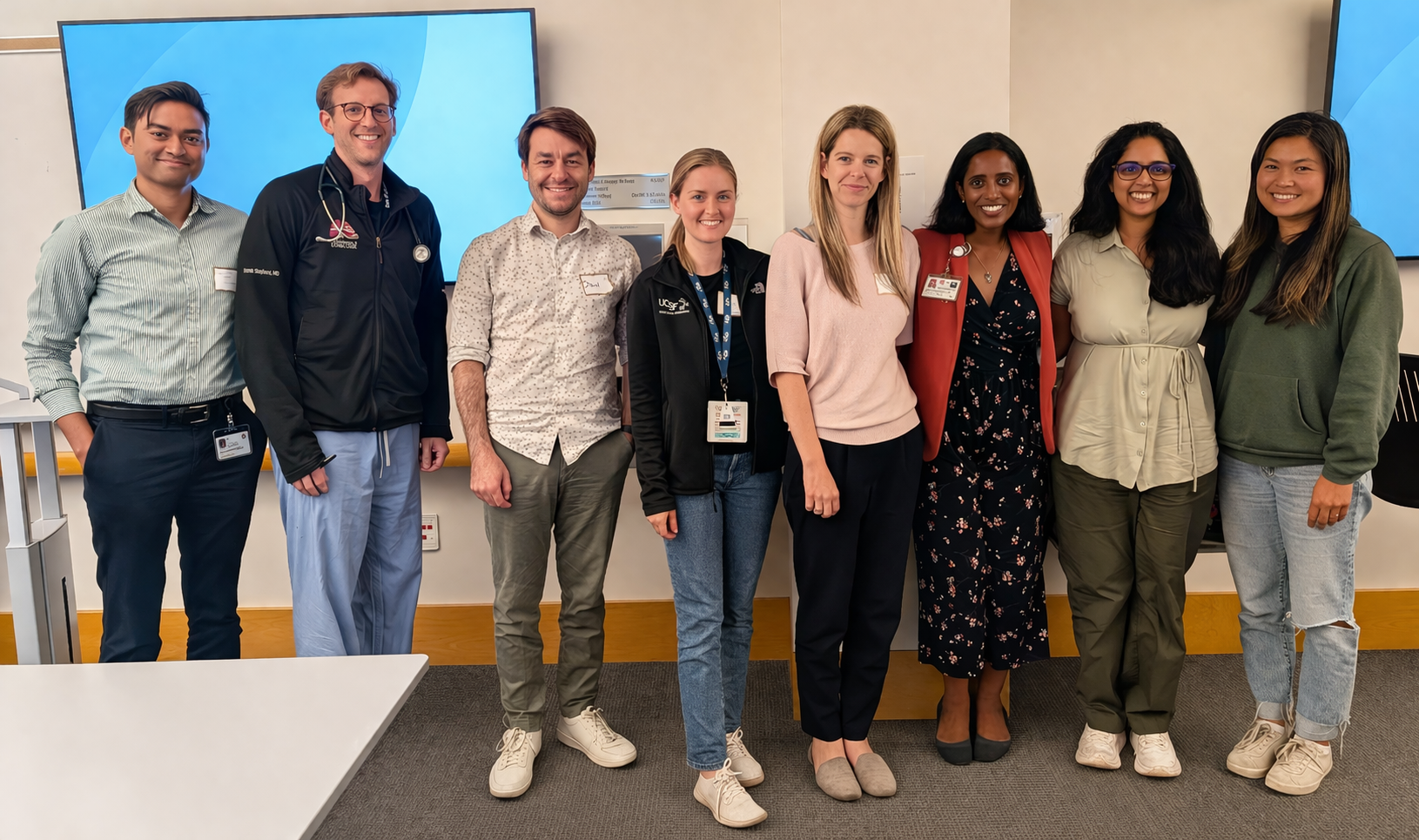
A Coaching Mindset Already Exists Across the DOM
Many members of our community are already coaching every day, often without naming it. For example:
- Coaching happens when a supervisor helps a staff member think through the next steps in their career.
- Coaching happens when a colleague pauses to ask thoughtful questions rather than immediately offering advice.
- Coaching happens when leaders listen with curiosity rather than reflexively give their opinion.
These small moments add up over time. They shape how people experience their work and whether individuals feel supported, seen, and able to grow within our department.
A Simple Framework Anyone Can Use
Many coaching approaches draw on an evidence-based framework known as the GROW model: Goal, Reality, Options, Way forward. Instead of moving quickly to “Here’s what you should do…,” a coaching-informed conversation might begin with reflective questions such as:
- What big picture goals are you hoping for?
- What options are you considering?
- What barriers are preventing this from becoming a reality?
- What next steps would help you move forward?
Our community depends on collaboration. It depends on trust. And it depends on people feeling able to bring their full selves into their work. A coaching culture strengthens teams, supports people development, and helps individuals make more intentional career decisions, all while deepening engagement across the department.
Building a Stronger Ecosystem of Support Across the DOM
To help make this growing coaching culture more visible and accessible across the department, the DOM has recently launched several new initiatives to support reflection, mentorship, and career development. The new DOM Physician Peer Coaching Program connects faculty with trained peer coaches who provide confidential, structured coaching conversations around career direction, leadership transitions, work–life integration, and other professional questions. Faculty can learn more or request a coach here.
Moreover, the newly launched DOM Staff Mentorship Program is expanding mentorship opportunities for staff across the department, creating additional pathways for career growth, connection, and professional development.
Together, these initiatives, among others, reflect our shared commitment to ensuring that both DOM faculty and staff can access thoughtful support at important moments in their careers. These efforts reflect a simple belief: when our people thrive, our department thrives.
We invite you to join us in reshaping our DOM culture together – whether through a formal coaching conversation, a mentorship relationship, or an informal conversation with a trusted colleague down the hall. Each moment of reflection helps us build a stronger and more connected community across the DOM.
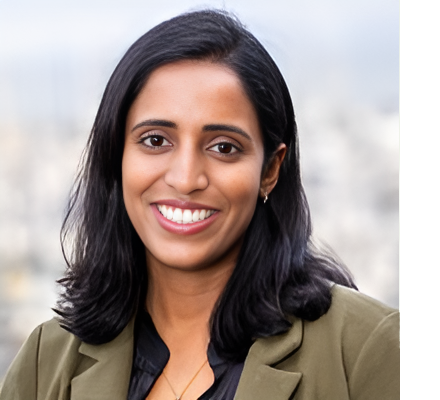 Lekshmi Santhosh, M.D., M.A.Ed.
Associate Professor of Clinical Medicine | Pulm/Critical Care & Hospital Med
DOM Associate Chair for Mentorship & People Development
Associate Program Director | Internal Medicine Residency
Gold-Headed Cane Endowed Education Chair in Internal Medicine