
Department of Medicine at SFVAHCS | 2026 Update
Steady Hands, Shared Purpose
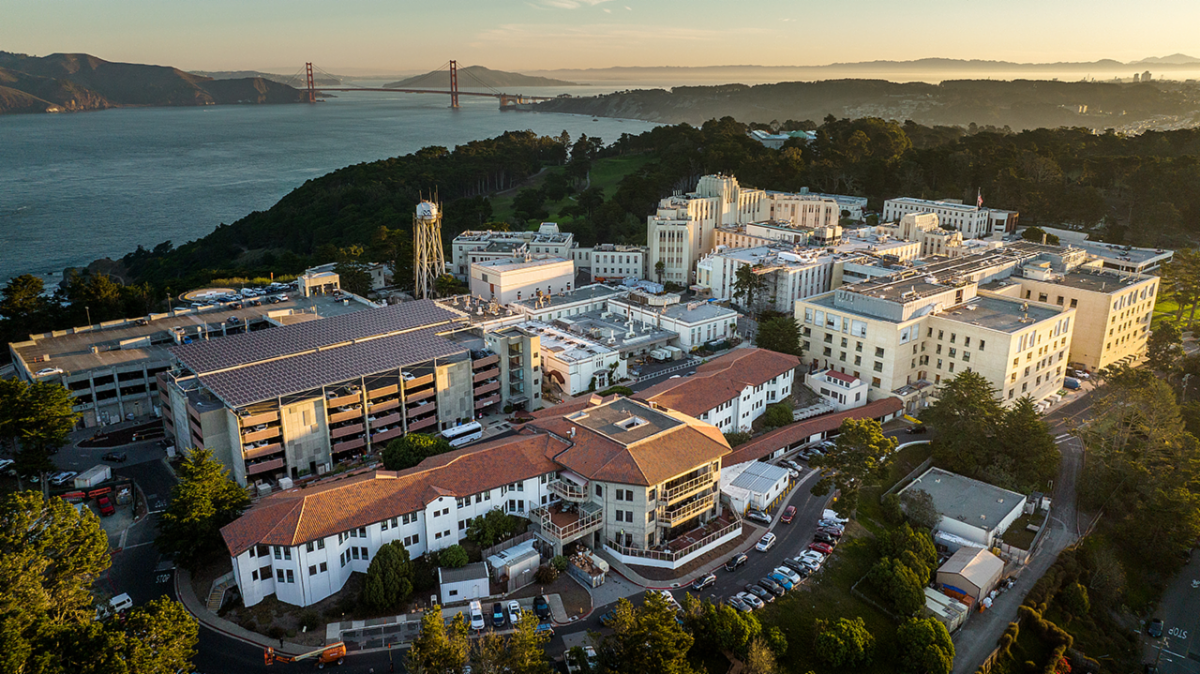 After my first year as SFVAHCS Medical Service Chief, I reflect on what we have accomplished and the critical partnerships that helped foster our success. The Service bears responsibility for delivering premier healthcare to Veterans and ensuring faculty and staff experiences across missions are optimized. We are proud to have achieved this critical balance despite obstacles throughout the year.
Sweeping workforce reductions across the VA, national and local leadership turnover, an accelerating VA reorganization, and mounting uncertainty around research funding have tested every corner of the system. Local staffing losses in cardiology this year further contributed to these challenges. And yet, the SFVAHCS DOM held its footing. What carries us through is not a policy or a program, but our people—faculty, trainees, and staff who continue to show up for Veterans and for one another with the same rigor and warmth that has always defined Fort Miley.
I extend my deepest gratitude for the dedication of our exceptional 12 section chiefs and my leadership team, Josue Zapata, Dan Wheeler, and Janet Chiang, who act with immeasurable courage, creativity, and fortitude at every step and whose efforts have kept us thriving.
Education
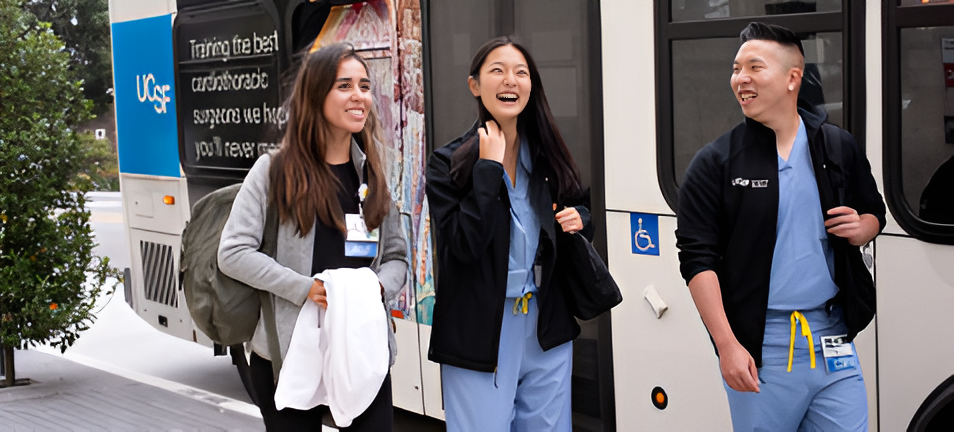 Teaching remains the heartbeat of this service. Both inpatient and outpatient trainee rotations remain outstanding, with ICU scores higher than ever. These reflect Meshell Johnson and Annie Oh’s investment in the simulation training experience and residency site director Susie Wlodarczyk's enduring impact after eight stellar years. Susie has long treated every resident request, however small, as worth getting right. We celebrate her new role as associate program director and welcome Emma Bainbridge (Infectious Disease) as our new site director. Student programs, brilliantly run by Gurpreet Dhaliwal (core), Andrew Orr (acting internship), and Calvin Chou (VALOR), continue to be highly sought-after placements year after year.
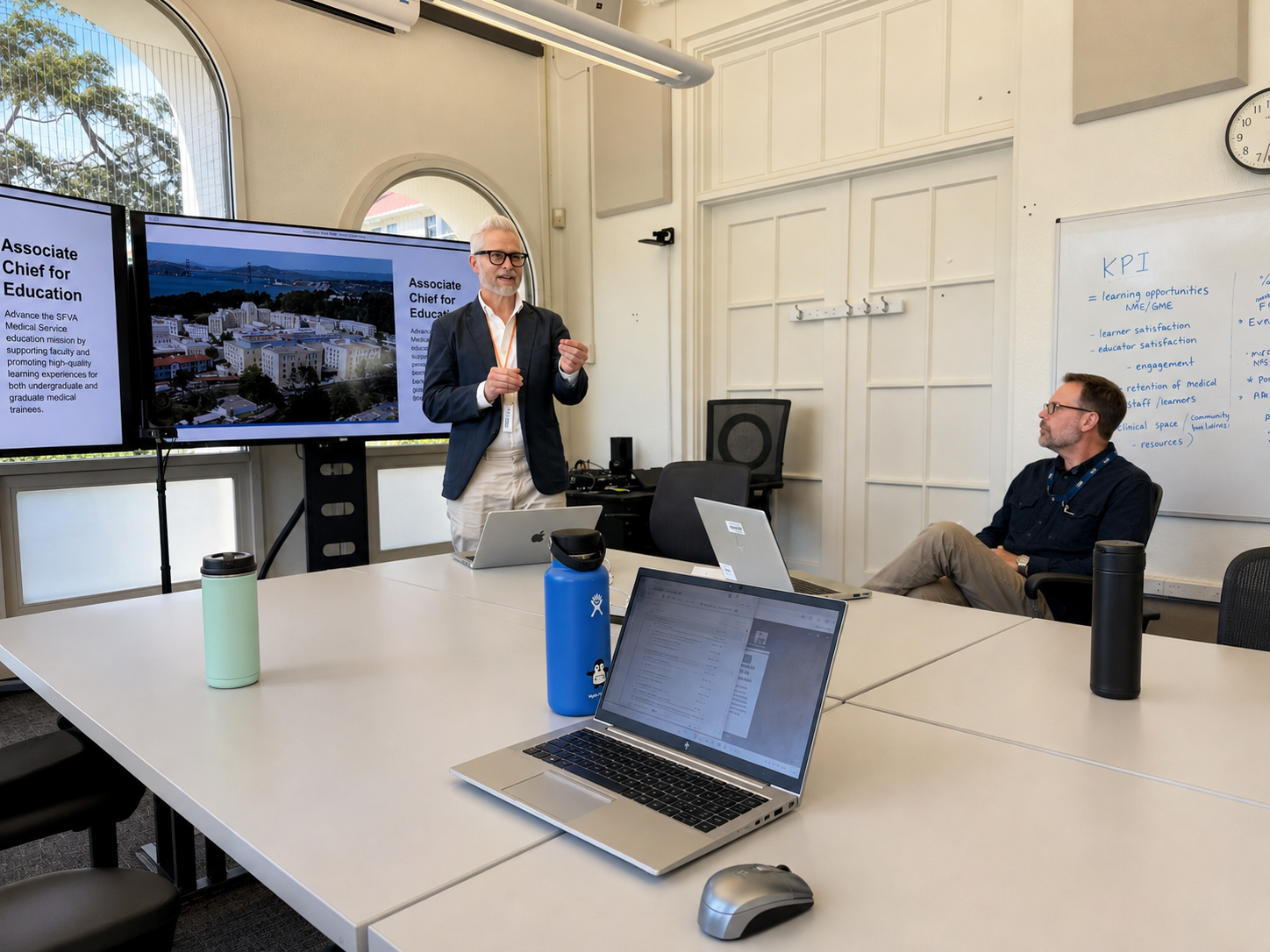 Medical Service associate chief for education James Frank advanced several projects, including an initiative to ensure fair and consistent educational support. He also continued the work of the Education Council, launched last year to foster the careers of clinician-educators. We are thrilled that James has also been selected as the new director of the UCSF Academy of Medical Educators, while Anna Chang (Geriatrics) was named UCSF associate dean of curriculum. Together, they will usher in an era of innovation and excitement across all sites in medical education.
In June, we welcomed our first cohort of Family and Community Medicine residents. Michi Yukawa (Geriatrics), inaugural FCM site director, creatively worked to craft high-quality rotations while preserving existing trainee experiences. In its first three months, the six new interns are thrilled with all the VA has to offer.
DOM ProCESS events brought faculty together throughout the year and were deeply appreciated, a reminder of how much our identity as clinician-educators is tied to connection with colleagues, not just curriculum.
Clinical Operations
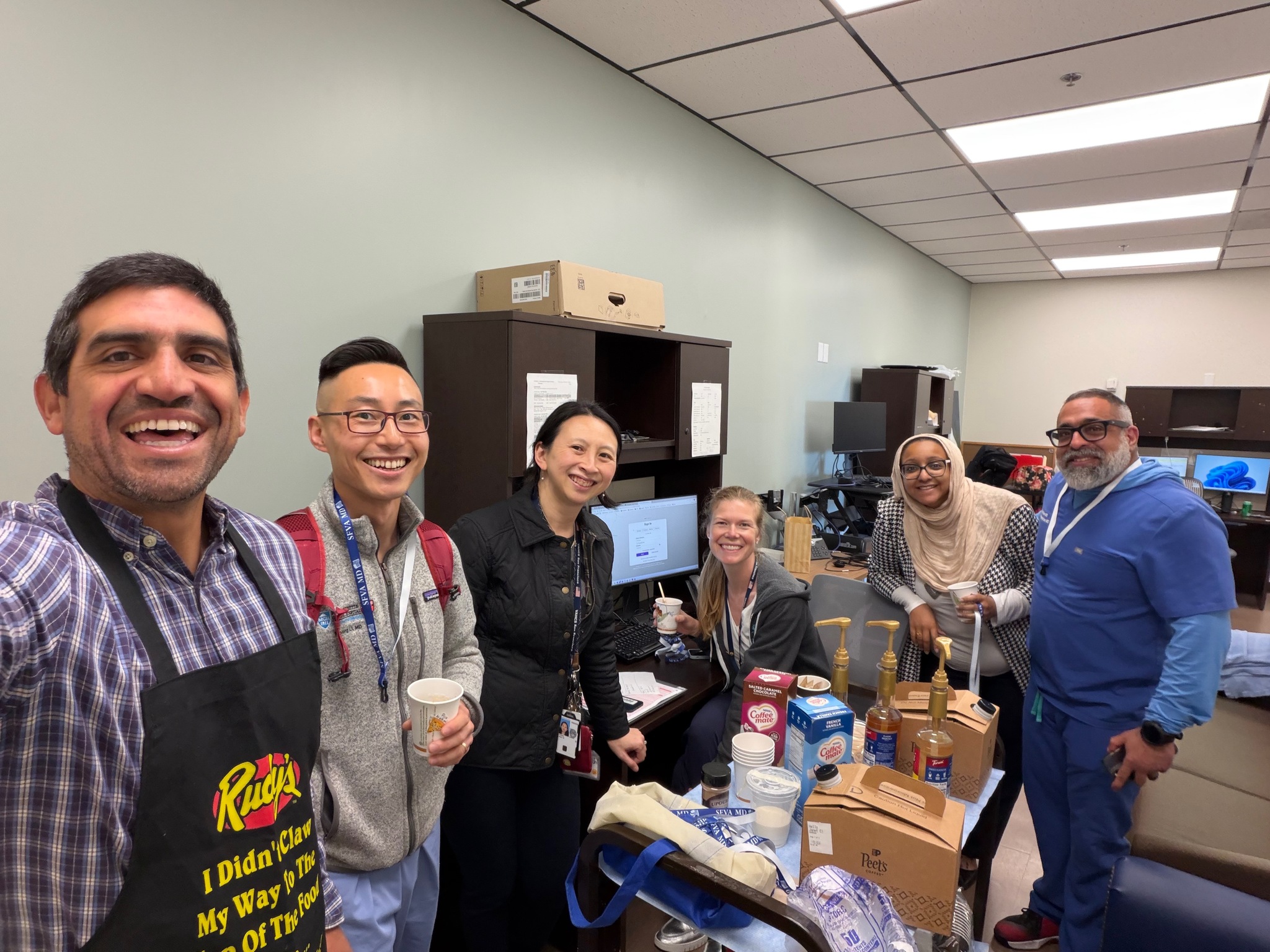 SFVAHCS celebrated its CMS four-star rating again in 2026, driven by focused work from the emergency department and hospital medicine teams on sepsis care and patient flow.
Our clinical programs continue to set the pace. Leadership in national colonoscopy quality initiatives, precision oncology, and a National Kidney Foundation partnership on cardio-kidney-metabolic care reflects the kind of programmatic depth Veterans have come to expect. The Sequoia virtual clinic, built by Jeff Kohlwes and Archana Sridhar for rural Veterans, filled its appointments so quickly after launch that it required immediate expansion.
Our cardiology program suffered significant setbacks this year with staffing losses, but is working hard to steady the landscape. The remaining core team and section chief Jorge Kizer have demonstrated perseverance, positivity, and patience in efforts to recruit and rebuild. Even as we temporarily scale back interventional and structural procedures, electrophysiology is excited to add new faculty to its flourishing and productive team.
The loss of radiology staff in 2025, followed by a 2026 reduction in UCSF contract services, presented one of the year's sharper challenges, particularly for nuclear medicine and off-hours reads. However, an interventional radiologist hired last year and six additional remote radiology hires have now stabilized operations.
Research
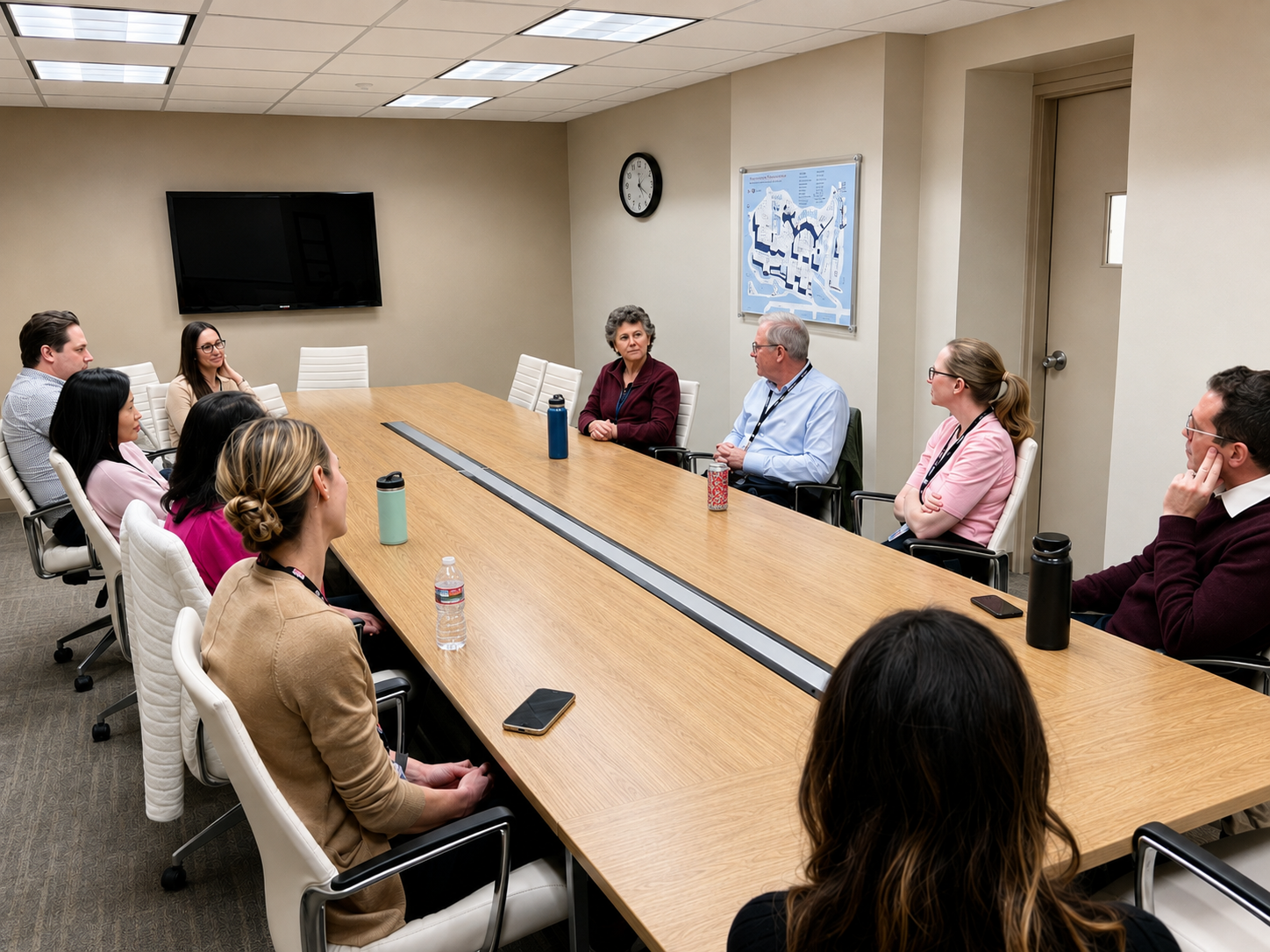 VA DOM investigators continue to impress, expand, and innovate. Nearly 40 talented investigators accounted for roughly $31 million in research expenditures this year, on par with the previous year. Six currently hold VA Career Development or NIH K Awards, and more than ten have VA Merit Awards, alongside a deep bench of additional R01, K24, P60, and U01 grants. We will soon welcome a new Grunfeld Scholar, Monica Yang, into Rheumatology.
The pipeline is doing exactly what it's meant to do: three of our investigators, Charlie Wray, Danny Calabrese, and Tiffany Kim, successfully transitioned from career development funding to independent Merit or R01 support this year. Phyllis Tien's team also secured two new center grants worth more than $30 million, including the NIH Leadership and Coordination Center (LACC) for the MACS/WIHS Combined Cohort Study, cementing UCSF’s role in one of the largest longitudinal HIV cohort studies in the country.
While many individual standouts exist, a few nationally recognized programs headquartered in our service include Salomeh Keyhani's VA Center of Innovation (COIN), Mary Whooley's Measurement Science QUERI group, Mike Shlipak's Kidney Health Research Collaborative, Mehrdad Arjomandi’s Post-Deployment Cardiovascular Evaluation program, and Charlie Wray's national Hospital Medicine Analytics Team. The Medical Research Council continues to mentor junior and mid-career investigators and guide resource allocation, with new roles to highlight successes, foster engagement, and create longitudinal goals aligned with institutional priorities. We welcomed Tiffany Kim (Endocrine) as assistant chief of research for SFVAHCS DOM, working with associate chief Mike Shlipak to take our research infrastructure to the next level. Meanwhile, Arjun Rustagi (Infectious Disease) was named SFVAHCS deputy chief of research and development service and will be “at the table” for strategic decisions on system-wide initiatives.
The national funding environment, it must be said, has grown increasingly difficult to read. NIH grant timelines have slowed, and payline predictability has diminished. Still, the service has not experienced a major loss of extramural funding, a credit to the strength and adaptability of our research community.
Leadership Transitions

This was a year of transition at every level. Nationally, a new VA Secretary unveiled a planned agency reorganization that will consolidate 18 VISNs into five, with unfolding operational impacts. Locally, following the Medical Center Director retirement in 2025, four different interim directors have served the SFVAHCS while the search for a permanent director continues.
In addition to many longtime VA physician retirements, we bid a fond farewell to UCSF director of administration Maxine Davis in June. Fortunately, the amazing Rikki Maher stepped into this role with flying colors and enthusiasm in May, with a valuable five-week period as co-pilot before flying solo.
Even amid turnover, recruitment remained strong as we welcomed 11 physicians and one nurse practitioner across gastroenterology, cardiology, emergency medicine, oncology, nephrology, hospital medicine, and the ICU, with active searches currently underway for the next wave of hires. Our appreciation for the support of DOM and our UCSF affiliation is immeasurable, as these connections remain our strongest calling cards.
Who Are We & Where Are We Going?
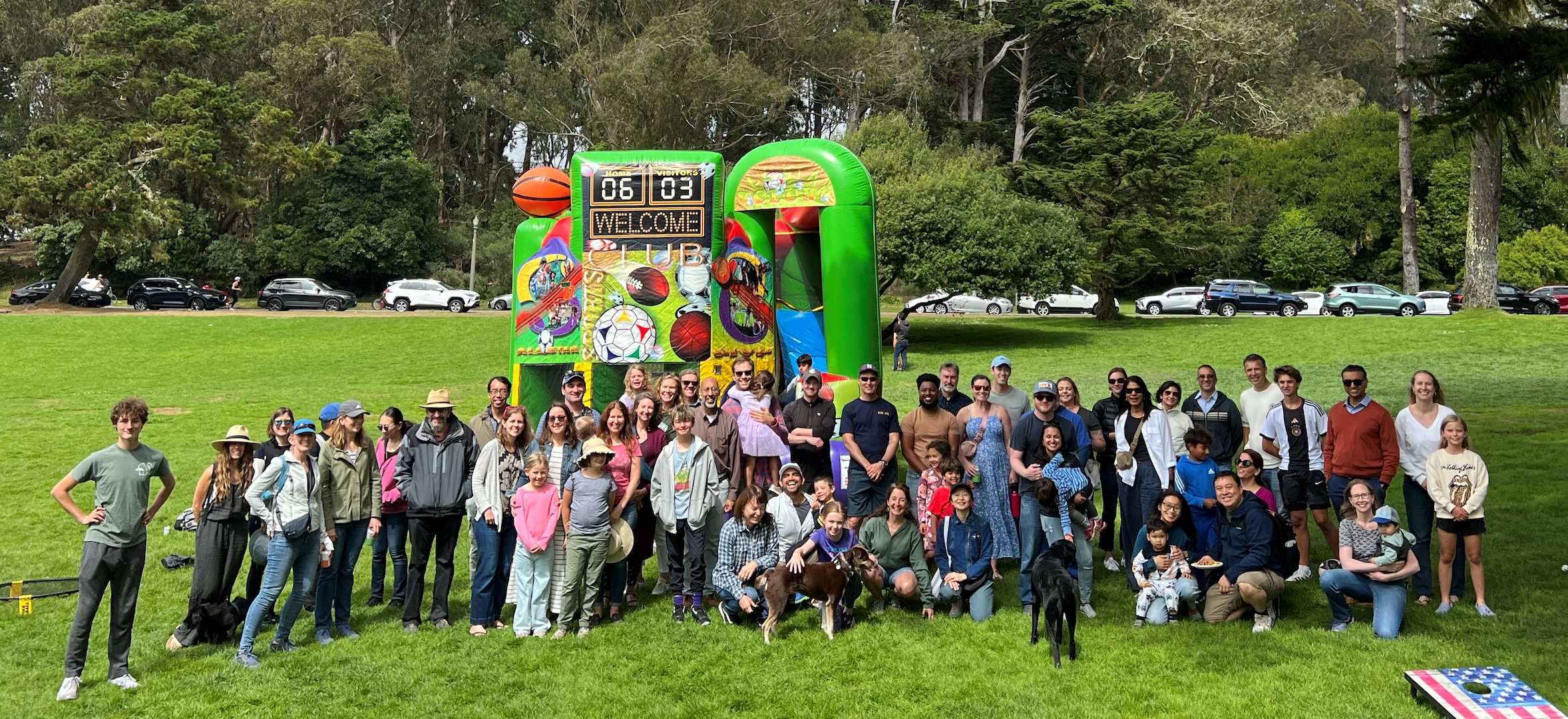
As evidenced by the PWAC survey this year, beneath the metrics and milestones, this service remains held together by something simpler: a genuine fondness for one another. We gathered for our third annual Summerfest in Golden Gate Park last September, and this year's edition will open its doors wider than ever, welcoming nurse practitioners and administrative staff. When budgets were tight in December, we traded a formal holiday party for pizza in Marin and found the evening no less warm for it. Monthly staff meetings draw robust attendance, showing that staff are eager for section highlights, operational updates, the occasional IT tip, and connection.
In April, section chiefs gathered at the Presidio to set priorities for the year ahead, just before one of our toughest staffing challenges of the year. Knowing that we face rough waters as a unified group, with priorities already in hand, puts us one step ahead.
The year ahead will undoubtedly bring more change. But we enter it with clear priorities, strong partnerships, and confidence in the people who make this Service what it is. Whatever comes next, our shared purpose remains constant: showing up for our Veterans, our learners, our colleagues, and one another.
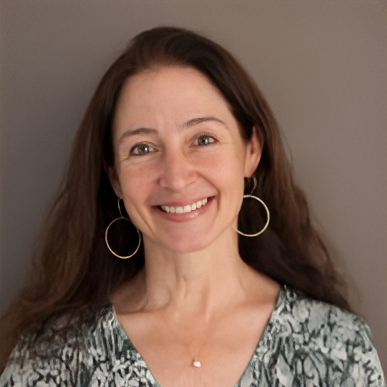 Heather Nye, MD, PhD
Chief of Medical Service, San Francisco VA Health Care System
Vice Chair and Professor, Department of Medicine
University of California, San Francisco